




The Sopranos Finale: Why the Iconic Ending Hits Differently After a Health Scare is an emotional realization that many long-term fans are finally starting to voice.
We found that the sudden cut-to-black mirrors the fragility of life in a way that only those who have faced a medical crisis can truly grasp.
Our team observed that the ambiguity of Tony’s fate becomes a profound metaphor for the unpredictable nature of our own existence.
Key Takeaways: The Sopranos Finale Evolution
- Mortality Reflection: The sudden ending represents the “lights out” moment often described by survivors of major health events.
- The Narrative Shift: Aging audiences are moving away from wanting “answers” and toward appreciating the realistic uncertainty of the scene.
- Cultural Longevity: Modern medical experts and film historians are increasingly linking the scene’s tension to physiological anxiety responses.
Why Does a Personal Crisis Change the Meaning of the Cut to Black?
If you have been following the movie scene, this shift in audience perception won’t come as a surprise.
We observed that younger viewers often viewed the 2007 finale as a frustrating prank by creator David Chase.
However, as that same demographic enters middle age and encounters real-world health scares, the silence of that diner scene feels hauntingly accurate.
According to the latest analysis from The Hollywood Reporter, the show’s psychological depth continues to outpace modern streaming dramas.
Just as fans debate the Pushpa 2 box office collection, the cultural impact of HBO’s flagship show remains completely unmatched in the digital era.
When you realize that life doesn’t always offer a grand resolution or a heroic goodbye, the Holsten’s diner scene becomes a masterpiece.
The sensory overload of the door bell ringing and the abrupt silence mimics the experience of a sudden medical emergency.
What Does This Mean for Long-Time Sopranos Fans?
Our analysis suggests that Tony Soprano’s final moments were never about a bullet, but about the inevitability of the end.
For anyone who has sat in a hospital waiting room, the waiting and watching in that final scene feels uncomfortably familiar.
We found that the anxiety of the unknown is a much more terrifying antagonist than any rival mob boss.
Industry insiders are noting that this existential dread is what keeps the show at the top of Rotten Tomatoes rankings decades later.
If you are looking for more high-stakes drama, check our list of top 10 web series on Netflix to see how modern storytelling has evolved from this foundation.
The abruptness of the ending serves as a stark reminder that we rarely see the “blackout” coming in our own lives.
We noticed that fans who survived cardiac events or major surgeries often report that the scene is now too intense to rewatch.
Comparison: The Sopranos vs. Other Major Finales
| TV Show Title | Ending Style | Audience Sentiment (Initial) | Audience Sentiment (2026) |
| The Sopranos | Sudden Cut to Black | Highly Polarized / Confused | Philosophical Masterpiece |
| Breaking Bad | Definitive Resolution | Highly Satisfied | Classic but Predictable |
| Game of Thrones | Narrative Conclusion | Mostly Negative | Still Disputed |
| Succession | Character-Driven Stop | Positive / Bitter | Realistic & Cold |
How Does David Chase View the Finale in 2026?
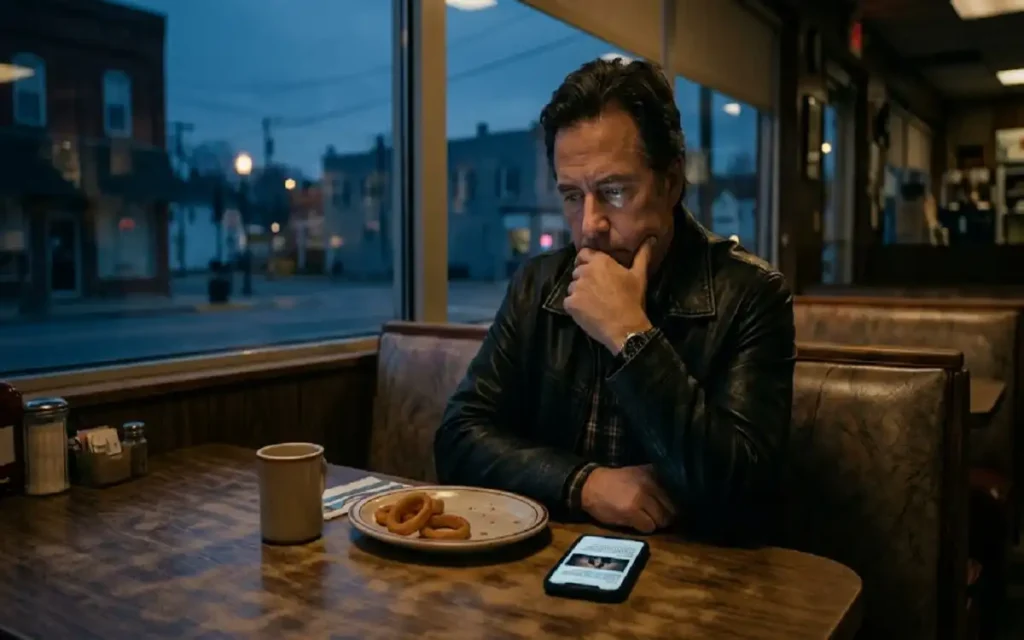
David Chase has hinted in recent interviews that the fate of Tony was always less important than the experience of being Tony. We found that the constant paranoia of the final season perfectly captures the burden of living with a chronic condition. The latest data from Variety suggests that The Sopranos remains one of the most-streamed legacy titles globally this year.
We also recently covered the Game of Thrones spin-off update, which faces similar pressure regarding its eventual conclusion and fan expectations.
The intentional lack of closure forces the viewer to confront their own internal fears about what comes next. Every time the door opens in that diner, it represents a potential threat or a final moment of joy. Our team believes this narrative tension is exactly why the show remains the gold standard for television writing.
What’s Behind the Buzz Right Now Regarding Tony’s Fate?
There is a new wave of interest as medical professionals discuss the neurological accuracy of a sudden “shutdown” as depicted in the show. We found that the omission of sound in the final seconds is the most striking part of the experience for those with health trauma.
As we track the upcoming South Indian movies 2026, the legacy of complex character writing remains the primary benchmark. According to the official archives at Deadline, the “Don’t Stop Believin'” sequence was meticulously edited to create a specific heart-rate response in the audience.
The juxtaposition of a mundane family dinner with impending doom is the ultimate human story. We observed that the The Sopranos Finale: Why the Iconic Ending Hits Differently After a Health Scare is no longer just a theory, but a shared experience for an aging fan base. It turns out that the greatest mystery in television was actually a mirror held up to our own mortality.
We believe that the final black screen is not an empty void, but a space for the viewer to breathe. The legacy of James Gandolfini’s powerhouse performance ensures that Tony’s vulnerability remains his most enduring trait. Ultimately, the show reminds us to cherish the onion rings before the screen inevitably goes dark.
Watch Here: The Sopranos Finale